

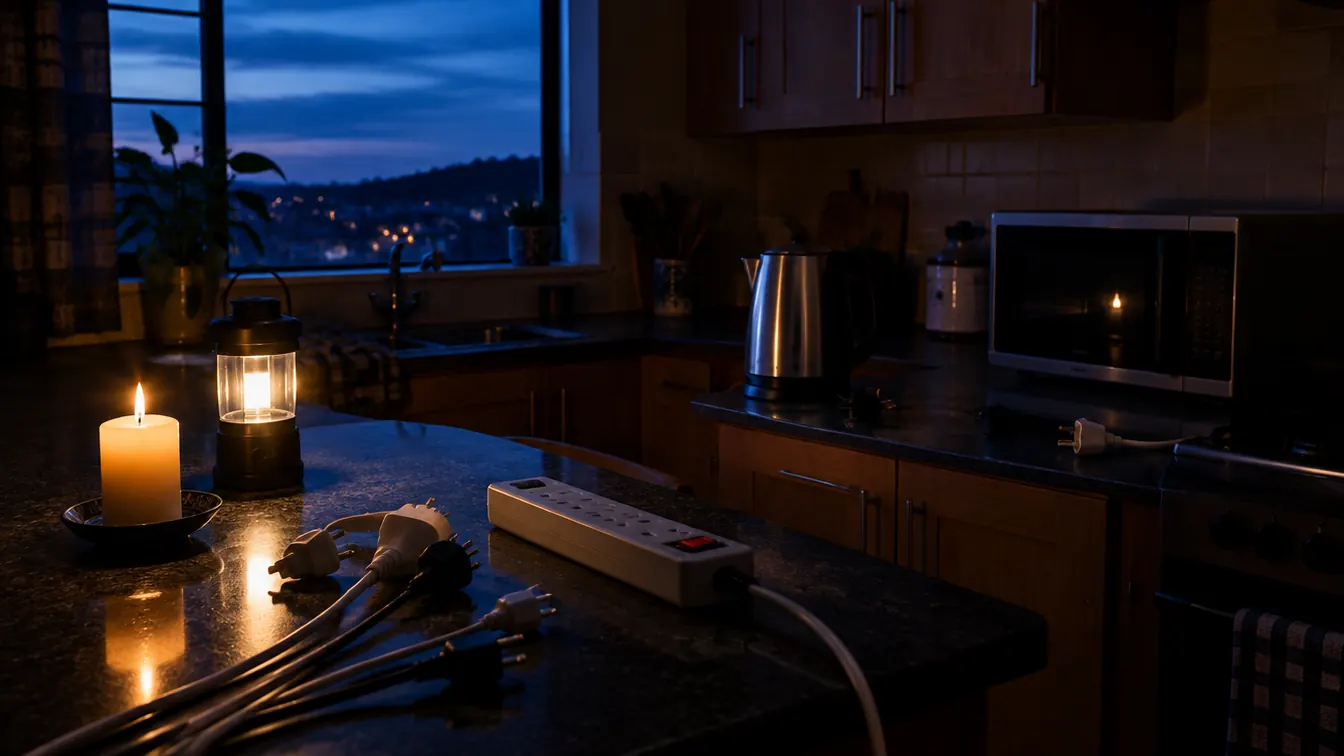
Load-shedding looks set to stay with us for a while, and every switch-off and switch-on is hard on electronics. The surge when power returns is what does most of the damage, and repairing or replacing a fridge, TV or computer can easily run into thousands of rand. These are the ways to protect them, from free to fully backed up.
1. Unplug before the cut
Ten minutes of unplugging before your scheduled slot is tedious, but it is free and it is the only method that protects a device completely. Nothing plugged in means nothing for a surge to reach.
2. Install a backup supply
A generator or an inverter system keeps things running through the cut, so there is no off-and-on cycle to worry about. Have it installed by a qualified electrician who issues a certificate of compliance. A backup supply has to be wired in correctly and safely; it cannot simply be plugged into a wall socket.
3. Put a UPS on the work setup
With so many people working from home, a UPS earns its place. It keeps a computer and router running long enough to save your work and shut down properly.
4. Fit surge protection
Surge protectors and protected plug adapters are worth having on computers and TVs. Plug-in units you can fit yourself. Protection on the distribution board must be installed by a certified electrician.
5. Use surge-protected power strips
A protected multi-plug adds a fuse designed to fail when the voltage spikes, so the spike stops at the strip instead of reaching whatever is plugged into it.
How often the power goes depends on the stage. What stages 5 to 8 mean in hours explains the schedule behind each one.
Rather skip the switch-off altogether?
A hybrid system keeps your essential circuits running through load-shedding, so your appliances never see the cut.
Ask about backup power